Why Do Trees Need to Be Removed? Key Signs & Risks

Table of Contents
1. Dead, Dying, or Diseased Trees: When a Tree Can't Be Saved
How to Tell If a Tree Is Dead, Dying, or Diseased
2. Structural Defects and Hazardous Trees: Cracks, Decay, and Weak Branch Unions
4. Storm Damage and Leaning Trees: When Removal Is the Only Safe Option
5. Tree Removal vs Pruning: How to Know Which One Your Tree Needs
When Pruning Is the Better Choice
The Mechanism Behind the Decision
Environmental and Community Trade-Offs
Alternatives to Full Removal
6. Signs a Tree Needs to Be Removed: A Quick Checklist for Homeowners
A Practical Decision Framework: Removal vs. Preservation
Warning Signs vs. a Definitive Diagnosis
Permits, Local Rules, and Protected Trees
When to Bring in a Qualified Tree-Care Professional
7. Emergency Tree Removal: What to Do When a Tree Becomes an Immediate Hazard
Frequently Asked Questions
Last Updated: October 14, 2026
1. Dead, Dying, or Diseased Trees: When a Tree Can't Be Saved
A dead, dying, or diseased tree often cannot be saved, and this is one of the main answers to why do trees need to be removed once more than half the canopy is affected or the main trunk shows decay.
A dead tree loses the flexibility that lets living wood bend in high wind. Limbs become brittle, and the whole structure can fail without warning.
How to Tell If a Tree Is Dead, Dying, or Diseased
Scratch a small twig: green, moist wood means it is still alive; brown and dry means it is not.
Look for shelf-like mushrooms or conks on the trunk, a common sign of interior decay.
Check for a sudden lean that was not there before.
A tree with several of these signs needs a professional assessment, not a wait-and-see approach.
2. Structural Defects and Hazardous Trees: Cracks, Decay, and Weak Branch Unions
Structural defects make a tree hazardous even when it still looks healthy. Cracks in the trunk, hollow spots, and weak branch unions can fail in a storm with no prior warning.

A weak branch union, sometimes called a bad crotch, is where two large limbs or leaders meet at a sharp angle with bark trapped between them.
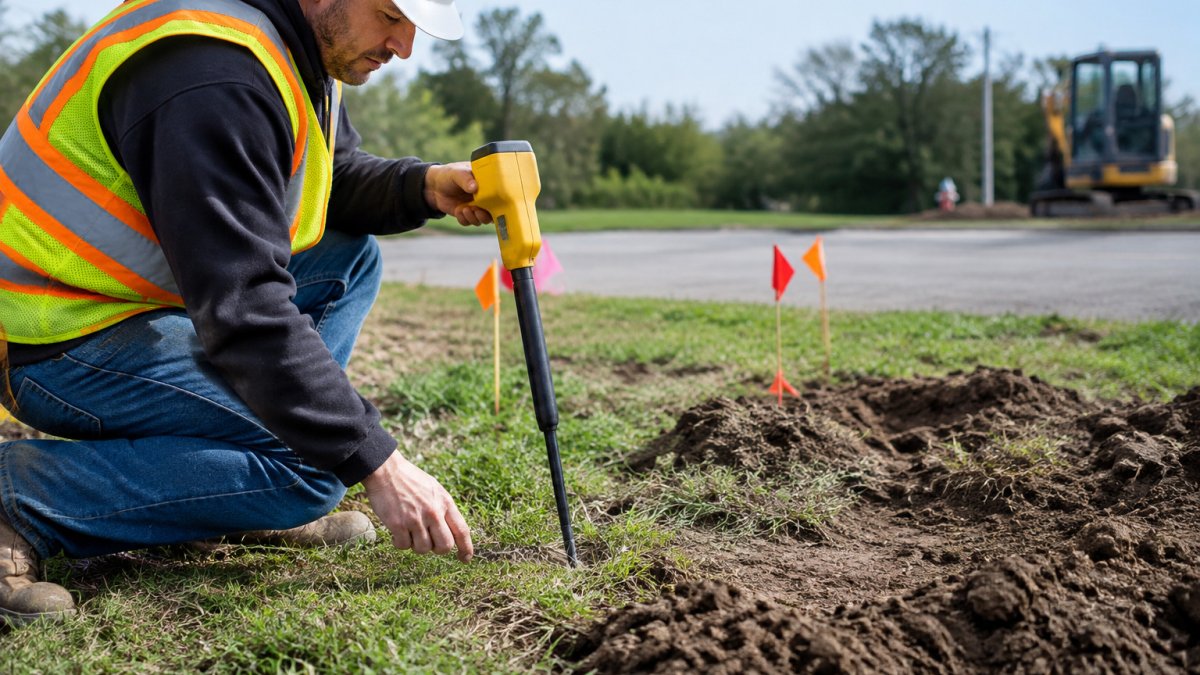
(/post/remove-tree-roots-without-damaging-pipes) damaging foundation walls, driveways, and underground utilities are one of the most common reasons homeowners call us. Roots seek water and oxygen, and a foundation edge, a cracked sewer line, or a paved driveway offers both.
The tricky part is that the damage is usually invisible until it surfaces. By the time a driveway buckles or a sewer backs up, the root system has been at work for years.
Pro Tip If a root is lifting a driveway, the fix is often to reroute the hardscape rather than cut the root. Cutting a structural root within a few feet of the trunk can kill the tree slowly and create a new hazard.
4. Storm Damage and Leaning Trees: When Removal Is the Only Safe Option
Storm damage and a newly leaning trunk are the clearest cases where removal is often the only safe option. After a severe weather event, a tree with a split trunk, a torn root plate, or a sudden lean has likely lost the structural support that kept it upright.
A leaning tree is not always an emergency. Some trees grow with a natural lean for decades. The danger sign is a lean that appeared suddenly, especially if the soil around the base is cracked or raised.
Split or torn trunk after a storm.
Large hanging limbs, called widow-makers.
A fresh lean paired with soil heaving at the base.
5. Tree Removal vs Pruning: How to Know Which One Your Tree Needs
Tree removal vs pruning comes down to one question: can the tree be made safe and healthy again? If the damage is limited to a few branches and the trunk and root system are sound, pruning is the better choice.
Pruning removes dead, broken, or crowded branches to improve structure and reduce risk. It cannot fix a cracked trunk or a failing root system. That distinction is the whole decision.
When Pruning Is the Better Choice
The trunk is solid with no major cracks or hollows.
Only a few branches are dead or damaged.
The tree is growing too close to a structure but the roots are healthy.
The Mechanism Behind the Decision
Trees do not heal the way people do. They compartmentalize, walling off decayed or damaged wood with chemical and physical barriers. A tree that can compartmentalize a wound will survive pruning; a tree that cannot will decline.
Structural wood matters too. The trunk and major limbs are the load-bearing members. Once decay consumes more than roughly a third of the trunk's cross-section, the remaining wood may not support the tree's weight in a storm.
Environmental and Community Trade-Offs
Removal is not a neutral act. A mature tree provides shade that lowers summer cooling costs, intercepts stormwater that would otherwise run off, stores carbon, and supports birds, insects, and pollinators.
That does not mean removal is always wrong. A hazardous tree that threatens a home or a power line is a liability that outweighs its benefits. The trade-off is real, and the goal is to make it consciously.
Alternatives to Full Removal
Crown reduction: Shortening the tree's height and spread to reduce leverage on a weak structure.
Cabling and bracing: Installing hardware to support weak unions or split limbs.
Root management: Rerouting hardscape or installing root barriers instead of cutting structural roots.
Each alternative has limits. Cabling does not fix a decayed trunk. Crown reduction stresses the tree and can accelerate decline in some species. A certified arborist can tell you which options are realistic for your tree.
Key Takeaway Pruning preserves a tree; removal ends its life. Choose pruning when the tree's core structure is sound, and removal when it is not. When in doubt, get a professional assessment before you cut anything. 6. Signs a Tree Needs to Be Removed: A Quick Checklist for Homeowners Use this checklist to decide whether to call a professional. If you check two or more boxes, it is time for an assessment. Call or Text for estimate → More than half the canopy is dead or bare. Mushrooms or conks grow on the trunk or roots. A deep crack or hollow in the main trunk. Sign What It Means Action Dead canopy over 50% Tree is in decline Schedule removal Mushrooms on trunk Interior decay Professional assessment Sudden lean Root failure likely Treat as urgent Cracked trunk Structural failure risk Remove promptly Roots lifting concrete Root damage Evaluate tree and hardscape A Practical Decision Framework: Removal vs. Preservation A checklist tells you what you see. A decision framework tells you what to do about it. Most practitioners find that four factors drive the removal-or-preserve call: the tree's condition, its location, the likelihood of failure, and the consequences if it fails. Condition. Is the tree alive, declining, or dead? A tree with less than half its canopy alive and no trunk decay may still be a candidate for pruning and monitoring. A tree with a hollow trunk or conks at the base is not. Location. How close is the tree to a target, a house, driveway, power line, sidewalk, or play area? A declining tree in an open field is a low priority. The same tree over a bedroom is a high priority. Likelihood of failure. Are there active defects (cracks, cavities, root-plate movement, deadwood) or only cosmetic issues? Active defects raise the odds of failure within the next few years. Consequences. If the tree fails, what does it hit? A tree that would land on a fence is a different problem than one that would land on a roof or a car. High likelihood plus high consequences equals remove now. Low likelihood plus low consequences equals monitor and prune. The middle cases are where a professional assessment pays for itself. Warning Signs vs. a Definitive Diagnosis Visible symptoms are warning signs, not a diagnosis. A crack in the bark may be a healed frost crack; a cavity may be compartmentalized and stable. Only a hands-on inspection, sometimes with a resistograph, sonic tomography, or a climbing assessment, can confirm how much sound wood remains. Treat the checklist as a reason to call, not as a verdict. Permits, Local Rules, and Protected Trees Before any chainsaw starts, confirm whether the tree is protected. Many municipalities require a permit to remove trees above a certain trunk diameter, and some regulate removal on steep slopes, in riparian buffers, or within a tree-preservation ordinance. Property boundaries matter too. A tree on the property line is often jointly owned, and removing it without the neighbor's consent can create a civil dispute. When to Bring in a Qualified Tree-Care Professional Bring in a certified arborist when the tree is large (generally over 20 feet), when it is within falling distance of a structure or utility, when you see active defects, or when the tree is protected by local rules. An arborist can provide a written risk assessment, confirm whether removal is necessary, and handle permits and utility coordination. For small, clearly dead trees in open areas, a homeowner may be able to handle removal safely, but the moment a target is involved, the calculus changes. 7. Emergency Tree Removal: What to Do When a Tree Becomes an Immediate Hazard Emergency tree removal is for trees that pose an immediate threat to people or property. A tree resting on a roof, a trunk split and hanging over a driveway, or a tree leaning toward a home after a storm all qualify. If a tree is an immediate hazard, keep people and pets away from the area and call a professional right away. Do not try to cut a tree that is under tension or resting on a structure. Never stand under or near a tree that is leaning on a structure or has a split trunk. The tension in the wood can release suddenly. Wait for a trained crew with the right equipment.
When a tree becomes an immediate hazard, our team at Anderson Tree Care responds with the equipment and experience to remove it safely. We are fully insured and licensed, and we have over a decade of experience.
Frequently Asked Questions
What are the main reasons a tree needs to be removed?
The most common reasons include disease or decay that cannot be treated, structural defects like trunk cracks or weak branch unions, root damage to foundations or utilities, storm damage that leaves the tree unstable, and space constraints where a tree has outgrown its location. Dead or dying trees also pose a falling risk to people and property. A qualified arborist can assess whether removal is necessary or if pruning and treatment could preserve the tree.
Can a diseased tree be saved, or does it need to be removed?
Some diseased trees can be saved with pruning, fungicides, or soil treatments if the disease is caught early and has not spread to the main trunk or root system. However, if more than 50% of the tree is affected, or if internal decay has compromised structural integrity, removal is usually the safer option. A professional assessment is the only way to know for certain whether preservation is realistic.
When is pruning a better option than tree removal?
Pruning is better when the tree is healthy overall but has dead branches, crossing limbs, or excessive growth near structures. It is also appropriate for improving shape, removing storm-damaged limbs, or clearing space from power lines. If the tree has a sound trunk and root system, pruning can extend its life and reduce risk. Tree removal becomes necessary when the trunk, roots, or more than half the canopy are compromised.
Can tree roots really damage a home's foundation or underground pipes?
Yes. Tree roots can damage foundations by growing under and lifting slabs, especially in clay soils common in Iowa. They can also infiltrate sewer lines through small cracks and cause blockages. Root removal is sometimes possible without removing the tree, but if the root system is causing structural damage or the tree is too close to the home, full removal may be the only way to protect your property.
A hazardous tree will not wait for a convenient time to fall, and the risk only grows with each storm. If you have a dead, damaged, or leaning tree on your property, do not put off an inspection. Anderson Tree Care is a family-owned, fully insured team with over a decade of experience in safe tree removal, trimming, and stump grinding. Call or text us for an estimate, and we will help you protect your home and your peace of mind.
Call or Text for estimate

Comments