Protecting Your Home During Tree Removal: A Homeowner's Guide

Table of Contents
Assessing Tree-Related Risks Before Removal Begins
Tree Removal Site Preparation Checklist
Two weeks before removal day
The night before
Removal day
If someone stays home during removal
A quick pre-job walkthrough
Questions to Ask a Tree Removal Company
Protecting Your Home's Roof, Windows, and Siding
Protecting Landscaping During Tree Removal
Managing Utilities, Permits, and Insurance During Removal
Overhead and underground utilities
Permits
Insurance verification: what to actually collect
Written scope and damage responsibility
Your homeowner's policy: what it does and does not cover
The document packet to keep
Post-Removal Inspection and Damage Documentation
Frequently Asked Questions
Last Updated: October 13, 2026
Assessing Tree-Related Risks Before Removal Begins
Before calling a tree service, walk your property for danger signs: dead branches, large trunk cracks, or trees leaning toward your house.
Knowing the situation before professionals arrive helps you ask better questions and set realistic expectations for protecting home tree removal that safeguards your property.
Look for these specific hazards:
Dead or diseased branches that could fall
Trees growing at odd angles toward structures
Signs of disease like missing bark or fungal growth
Branches within 10 feet of power lines
Trees with split trunks or hollow sections
Document what you see with photos, this helps insurance claims and gives the tree removal company a clear picture.
Tree Removal Site Preparation Checklist
Preparing your property upfront makes the job safer and cleaner. Follow this timeline.

Two weeks before removal day
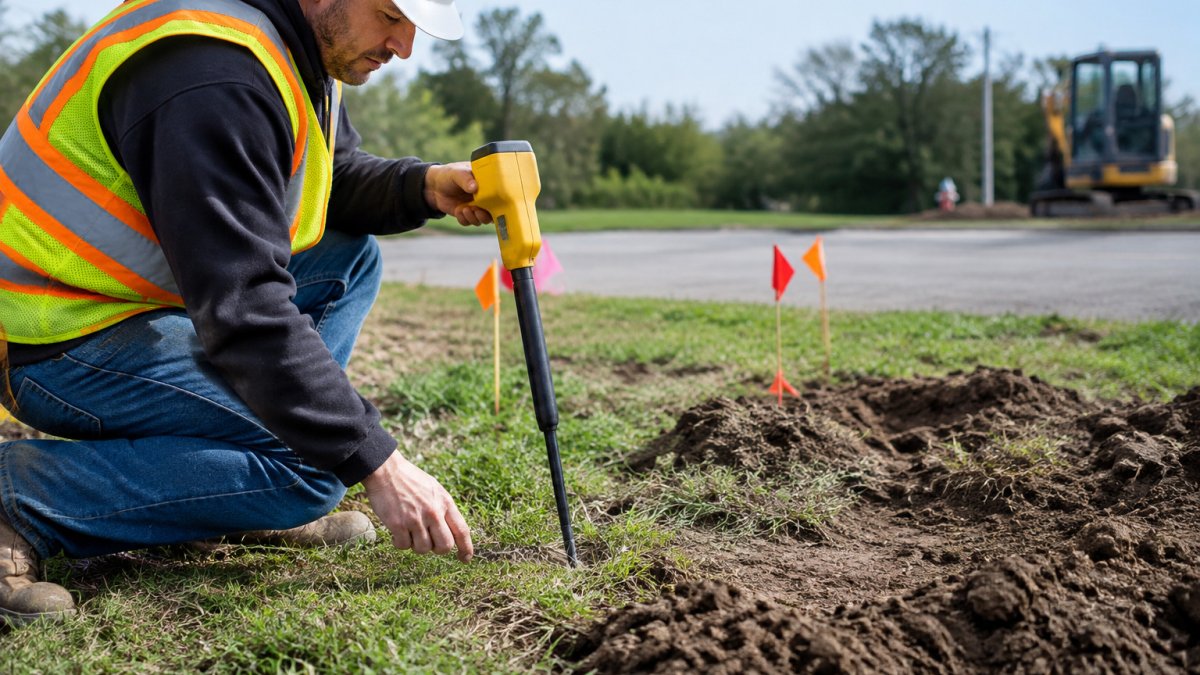
Call 811 for free underground utility locating. It marks electric, gas, water, and communication lines and needs a few business days' notice.
Confirm the written scope of work and insurance certificate are on file.
Identify your access route. Crews need a clear path for trucks, chippers, and possibly a crane or bucket truck. Note gate widths, low branches, and soft turf.
Photograph your roof, gutters, siding, windows, driveway, and landscaping from multiple angles. This baseline matters if you file a claim.
Ask where equipment will be staged and debris piled, then mark those zones with flags or tape.
The night before
Move vehicles well outside the drop zone, at least 20 feet from the tree and any rigging path.
Bring in or secure patio furniture, grills, potted plants, ornaments, and anything lightweight vibration or wind could shift.
Close and lock windows facing the tree, and close curtains or blinds if workers will be near glass.
Protect AC units and heat pumps with plywood or a heavy tarp, secured so it can't become a projectile.
Move pets to a quiet interior room away from the work side, with water and a litter box or crate.
Mark sprinkler heads, septic covers, invisible fence lines, and garden beds to preserve.
Removal day
Keep the 20-foot zone around the tree clear of people, pets, and vehicles for the entire job.
If you must leave, tell the crew foreman and use a route that does not cross the work zone.
Expect noise, vibration, and dust that settles for hours. Run your HVAC fan on recirculate and keep interior doors closed on the work side.
Do not approach the crew while they are cutting or rigging. Wait for a signal that it is safe.
If someone stays home during removal
Choose a room on the opposite side of the house from the tree, keep the door closed, and stay there until the foreman says the work is complete. Don't stand at windows facing the tree or go outside to watch. A basement is often the quietest, safest space. Keep a phone charged and the foreman's number handy.
Pro Tip Ask the foreman for a heads-up before any especially loud or high-impact step, such as felling a trunk section or running a chipper. A two-minute warning lets you move kids, pets, or sensitive family members to a quieter part of the house.
A quick pre-job walkthrough
Before the first cut, walk the property with the foreman. Point out protection zones, the access route, plants you care about, and photographed areas. Confirm the drop zone, debris staging area, and cleanup expectations. This five-minute conversation prevents most day-of surprises.
Questions to Ask a Tree Removal Company
The questions you ask separate professionals from amateurs who'll leave your property damaged.
CBS Pittsburgh
Start with credentials. Ask if they're licensed and insured, and request proof of both.
Ask about their experience with trees near houses.
Request a written scope listing exactly what they're removing, what areas they'll protect, where debris goes, and what cleanup includes.
Key questions for any tree removal company:
How will you protect my roof, windows, and gutters?
What equipment will you use for controlled lowering of limbs?
How do you handle branches over my house?
Will you use a crane if needed for safe removal?
What's included in cleanup, do you remove all wood chips?
How do you protect landscaping and the lawn?
Ask about crew size. A two-person crew taking a week on a large tree is slower and riskier than a five-person crew finishing in a day.
Protecting Your Home's Roof, Windows, and Siding
Your roof is the most vulnerable part of your home, making protecting home tree removal a critical priority.
Ask if they'll use rigging, ropes and pulleys that control how branches fall.
Request protection for gutters and downspouts:
Plywood sheets laid on the roof edge
Heavy tarps secured over gutters
Padding around gutter brackets
Temporary covers for roof vents
Windows need the same care.
Siding and exterior trim are easy to overlook. Falling branches and rigging ropes can scrape paint and damage wood.
Document the condition of your roof, gutters, windows, and siding before work starts.
Protecting Landscaping During Tree Removal
The ground takes a beating during tree removal. Heavy equipment compacts soil. Falling debris crushes plants.
Mark which plants and garden beds you want preserved.
Ground protection happens in layers:
Mark sensitive areas with bright tape or flags
Lay down plywood sheets under equipment paths
Use heavy tarps to catch falling debris in landscaping zones
Create a designated debris pile away from plants
Keep chip piles off garden beds and root zones
Soil compaction is real, heavy equipment can compress soil for months.
Tree roots extend far beyond the visible canopy, and exposed roots can damage nearby plants and soil structure.
After removal, bare soil needs attention, erosion happens fast. Ask about replanting or ground cover.
Managing Utilities, Permits, and Insurance During Removal
This is where paperwork either protects you or leaves you exposed. Here's exactly what to verify, what to keep, and what to do when something goes wrong.
Overhead and underground utilities
Underground utilities are invisible until someone hits them. Call 811 at least three business days before work starts; the free service marks gas, electric, water, and communication lines.
Overhead power lines are equally dangerous. If branches hang over utility lines, the utility may need to trim them first or be present during removal. Ask your tree service whether they've coordinated with the utility, and get the answer in writing.
Permits
Permit rules vary by municipality, and many homeowners assume their tree service handles it, sometimes they do, sometimes not. Before signing a contract, call your local building or planning department and ask:
Does removing this tree require a permit?
Is the species protected or heritage-designated?
Are there tree-preservation or replacement requirements?
Who is responsible for filing, the homeowner or the contractor?
Get the answer in writing and keep a copy of any permit. If the tree service says they'll pull the permit, ask for the number before work begins.
Insurance verification: what to actually collect
"We're insured" is not verification. Ask for and keep copies of:
A certificate of insurance showing general liability coverage, with you or your address listed as the certificate holder if possible.
Proof of workers' compensation coverage, or a valid exemption. If a worker is injured on your property and the company lacks workers' comp, the claim can come back to you.
Current state or local licensing, if your jurisdiction requires it.
A surety bond, if your state or locality requires one for tree work.
Call the insurer listed on the certificate to confirm the policy is active and covers tree removal. Certificates can be forged or expired; a two-minute call closes that gap.
Written scope and damage responsibility
A written scope should spell out, at minimum:
Exactly which trees, limbs, and stumps are being removed.
What protection measures are included, roof protection, gutter covers, ground mats, fencing.
Where debris, chips, and logs will be hauled or left.
What cleanup includes and what it excludes.
The timeline and weather contingencies.
A damage responsibility clause stating who pays if your roof, siding, driveway, or landscaping is damaged.
Watch Out Watch for exclusions buried in the fine print, for example, "not responsible for damage to underground irrigation" or "lawn ruts from equipment are not covered." If an exclusion worries you, negotiate it before signing, not after.
Your homeowner's policy: what it does and does not cover
A common misunderstanding: your homeowner's policy typically covers damage to your house if a tree falls on it during a storm, but usually not the cost of removing the tree itself, that's generally your expense. If a tree service causes the damage, their liability coverage, not your policy, should respond. That's why verifying their insurance before work starts matters more than checking your own after.
The document packet to keep
Before the crew arrives, assemble a folder, digital or paper, with:
The signed contract and written scope.
The certificate of insurance and workers' comp proof.
Licensing and bonding documents.
The permit, if one was required.
Your pre-job photos of the property.
The foreman's name and contact number.
If damage occurs, this packet is what you hand to your insurer or an attorney. Without it, you're relying on memory and goodwill.
Key Takeaway Utilities, permits, and insurance are not paperwork for its own sake. Each one is a transfer of risk. Confirm the transfer in writing before the first cut, and you keep the risk where it belongs, with the professionals you hired.
Post-Removal Inspection and Damage Documentation
The job isn't done until you've inspected the results.
Take photos of the entire property, capturing any damage no matter how small, and document the condition of protected areas.
Check these areas specifically:
Roof for missing shingles, punctures, or debris
Gutters for dents, loose sections, or debris
Siding for scratches, gouges, or loose trim
Windows for cracks or broken seals
Lawn for ruts, compaction, or bare spots
Landscaping for crushed plants or soil damage
If you find damage, point it out immediately and get their response in writing.
Monitor your property for weeks after removal. Soil settles. Erosion may occur. Damaged plants may show stress later.
Anderson Tree Care has helped homeowners in this area manage tree removal safely for over a decade.
Frequently Asked Questions
Is it safe to stay in the house while a tree is being removed?
Yes, it is generally safe to remain indoors during tree removal if the professional crew has established proper work zones and fall zones away from your home. A qualified tree removal company will position equipment, rig limbs safely, and lower branches in a controlled manner. However, ask the crew about specific hazards before the work begins, and consider staying away from windows and exterior walls on the side where work is happening. If the tree is extremely close to your home or work is happening directly overhead, discuss evacuation plans with the crew beforehand.
What should I move or cover before tree removal begins?
Before removal day, move vehicles, outdoor furniture, grills, and decorative items away from the work zone and drop zone. Cover air conditioning units, heat pumps, and other exterior equipment with plywood or tarps. Close all windows and doors on the side facing the tree. Remove or secure any loose items from gutters, deck railings, or roof edges. If you have a garden or landscaping near the tree, cover plants with protective barriers or burlap. Mark the location of underground utilities, septic systems, and irrigation lines with flags so the crew avoids them during equipment staging.
What should a tree removal company include in its property-protection plan?
A professional tree removal company should provide a written property-protection plan that specifies how they will protect your roof, siding, windows, driveway, fence, and landscaping. The plan should detail controlled rigging and sectional dismantling methods, equipment placement and access routes, ground protection materials (plywood or tarps), debris containment, and cleanup procedures. It should identify overhead and underground utilities and confirm they have verified these locations. The plan should also state their insurance coverage limits and clarify responsibility for any accidental damage. Request this plan in writing before work begins.
How can I protect my lawn and garden during tree work?
Establish a clear work zone and drop zone away from planted areas. Use plywood sheets or heavy tarps to protect lawn sections where equipment will stage or move. This prevents soil compaction and root zone damage. For nearby gardens and landscaping, install temporary fencing or protective barriers with burlap. Ask the crew to avoid the root zone of other trees on your property. After removal, inspect the lawn for ruts or compaction and plan for aeration or reseeding if needed. Communicate any especially valuable plantings to the crew before they arrive so they can adjust their staging area accordingly.
Call or Text for estimate

Comments